
Core Benefits of Digital Marketing
In the modern era of technology and internet connectivity, digital marketing has become one of the most powerful tools for businesses, organizations, and individuals. Traditional marketing methods such as print advertising, television commercials, and billboards are no longer sufficient on their own to reach today’s digitally active audience. The rapid growth of smartphones, social media platforms, search engines, and e-commerce has transformed the way consumers interact with brands. As a result, digital marketing has emerged as a core business strategy rather than an optional supplement.
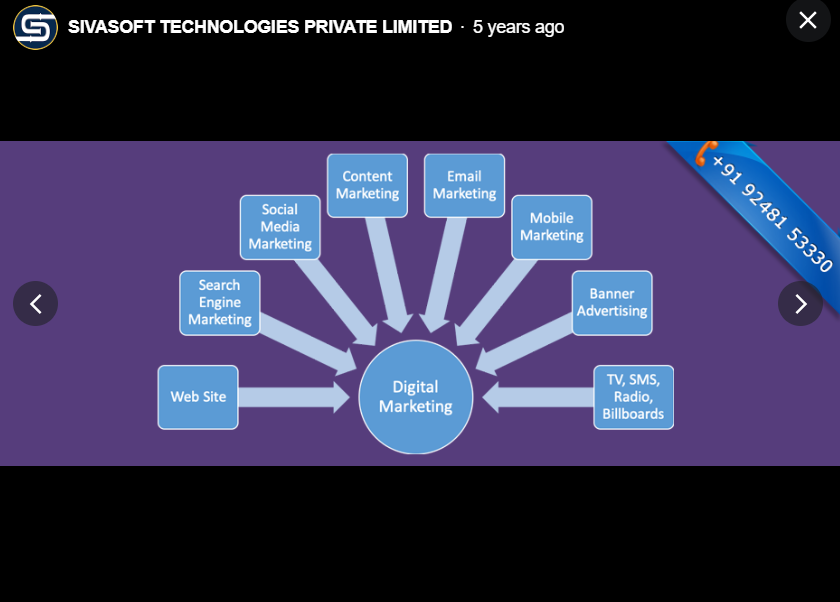
Digital marketing refers to the promotion of products, services, or brands through digital channels such as websites, search engines, social media, email, and mobile applications. The core benefits of digital marketing lie in its ability to connect businesses directly with their target audience, deliver measurable results, reduce marketing costs, and adapt quickly to market changes.
This article explores the core benefits of digital marketing, explaining why it has become essential for businesses of all sizes and industries. By understanding these benefits, organizations can leverage digital marketing more effectively to achieve sustainable growth and competitive advantage.
1. Global Reach and Market Expansion
One of the most significant core benefits of digital marketing is its global reach. Unlike traditional marketing, which is often limited by geography and high costs, digital marketing allows businesses to reach customers across the world with minimal investment.
Through search engines, social media platforms, and websites, a business can showcase its products or services to an international audience 24/7. Even small businesses can compete with larger corporations by using effective digital marketing strategies such as search engine optimization (SEO) and social media marketing.
Digital marketing eliminates physical boundaries and enables businesses to enter new markets without opening physical stores or offices. This global exposure not only increases brand visibility but also creates opportunities for revenue growth and brand recognition on an international scale.
2. Cost-Effectiveness and High Return on Investment
Another core benefit of digital marketing is cost-effectiveness. Compared to traditional advertising methods like television or print media, digital marketing campaigns require significantly lower budgets. Businesses can choose from various affordable channels such as email marketing, social media advertising, and content marketing.
Digital marketing also provides better return on investment (ROI). Because campaigns can be targeted to specific audiences, businesses avoid wasting money on reaching uninterested consumers. For example, pay-per-click (PPC) advertising allows companies to pay only when users click on their ads, ensuring efficient use of marketing budgets.
Small and medium-sized enterprises particularly benefit from digital marketing because it enables them to compete with larger brands without requiring massive financial resources.
3. Targeted Audience Reach
One of the strongest advantages of digital marketing is precise audience targeting. Digital platforms collect vast amounts of data about user behavior, preferences, demographics, and interests. This data allows marketers to create highly targeted campaigns.
Businesses can segment audiences based on age, gender, location, income level, online behavior, and purchasing history. This level of customization ensures that marketing messages reach the right people at the right time.
Targeted digital marketing increases conversion rates because consumers are more likely to respond to content that is relevant to their needs and interests. This personalized approach builds trust and improves customer satisfaction.
4. Measurable and Trackable Results
Unlike traditional marketing, where measuring effectiveness is often difficult, digital marketing offers clear and measurable results. Tools such as Google Analytics, social media insights, and email marketing dashboards allow businesses to track performance in real time.
Marketers can measure key metrics such as:
- Website traffic
- Conversion rates
- Click-through rates
- Customer engagement
- Return on investment
These measurable insights help businesses understand what strategies are working and what needs improvement. The ability to track results ensures data-driven decision-making, which is a critical core benefit of digital marketing.
5. Improved Customer Engagement and Interaction
Digital marketing encourages two-way communication between businesses and customers. Social media platforms, live chats, and email campaigns allow brands to interact directly with their audience.
Through digital marketing, customers can ask questions, leave feedback, share reviews, and engage with content. This interaction builds strong relationships and fosters brand loyalty. Businesses that actively engage with their audience are more likely to gain customer trust and long-term support.
Customer engagement also provides valuable insights into consumer preferences, enabling businesses to improve products, services, and marketing strategies.
6. Brand Building and Online Presence
Establishing a strong online presence is a core objective of digital marketing. A well-designed website, active social media profiles, and high-quality content help build brand identity and credibility.
Digital marketing allows businesses to communicate their values, mission, and unique selling points consistently across digital channels. Content marketing, in particular, plays a crucial role in brand building by providing valuable information that educates and inspires audiences.
Over time, consistent digital marketing efforts enhance brand recognition, trust, and authority within the industry.
7. Flexibility and Adaptability
One of the most practical core benefits of digital marketing is flexibility. Digital campaigns can be modified, paused, or optimized instantly based on performance data.
If an advertisement is not performing well, marketers can adjust targeting, messaging, or budget in real time. This adaptability is not possible with traditional marketing methods, where changes often require additional time and cost.
Digital marketing allows businesses to respond quickly to market trends, consumer behavior, and competitive changes, ensuring continued relevance and effectiveness.
8. Higher Conversion Rates
Digital marketing typically results in higher conversion rates compared to traditional marketing. Optimized websites, landing pages, and call-to-action strategies guide users smoothly through the customer journey.
Techniques such as email marketing, remarketing, and personalized content encourage potential customers to take action, whether it is making a purchase, signing up for a newsletter, or requesting more information.
The data-driven nature of digital marketing ensures continuous optimization, leading to improved conversion rates over time.
9. Mobile Marketing Advantage
With the widespread use of smartphones, digital marketing provides unmatched access to mobile users. Mobile-friendly websites, apps, SMS marketing, and social media platforms enable businesses to reach consumers on their preferred devices.
Mobile digital marketing allows location-based targeting and real-time communication, enhancing customer convenience and engagement. This mobile advantage is a critical component of modern digital marketing strategies.
10. Personalization and Customer Experience
Personalization is a major strength of digital marketing. By analyzing user data, businesses can deliver personalized content, product recommendations, and offers.
Personalized digital marketing improves customer experience by making consumers feel valued and understood. This leads to higher satisfaction, repeat purchases, and long-term loyalty.
11. Competitive Advantage
Digital marketing creates a level playing field where businesses of all sizes can compete effectively. With the right strategies, small businesses can outperform larger competitors by targeting niche markets and using creative content.
Search engine optimization, social media engagement, and content marketing allow brands to stand out without excessive spending. This competitive advantage is one of the core benefits of digital marketing.
12. Sustainability and Long-Term Growth
Digital marketing supports sustainable business growth by building lasting customer relationships and brand equity. Content created today, such as blogs and videos, can continue to attract audiences for years.
Unlike traditional ads that disappear after a campaign ends, digital marketing assets provide long-term value. This sustainability makes digital marketing a strategic investment rather than a short-term expense.
Conclusion
The core benefits of digital marketing make it an essential component of modern business strategy. From global reach and cost-effectiveness to measurable results and personalized customer experiences, digital marketing offers unmatched advantages over traditional marketing methods.
Digital marketing enables businesses to connect with their audience, adapt to changing trends, and achieve sustainable growth in a competitive environment. As technology continues to evolve, the importance of digital marketing will only increase.
Organizations that understand and leverage the core benefits of digital marketing will be better positioned to succeed in the digital age. Whether for brand building, customer engagement, or revenue generation, digital marketing remains one of the most powerful tools available in today’s business landscape.